Workshop Presenters
Title: Morning Moves
Presenter: Christy Apodaca, ATC, ACSM-EP
Date: Friday, Oct. 20, 7:30-8:00 am
Saturday, Oct. 21, 7:30-8:00 am
Morning Moves will give conference attendees a chance to wake up your bodies and ready your brains for a day of learning. Breathing exercises, gentle stretches and easy movements that can be done standing up or sitting in a chair...no workout clothes required. As an added bonus, all of these exercises can be done throughout the day to keep you energized during the conference!
Presenter: Christy Apodaca, ATC, ACSM-EP
Date: Friday, Oct. 20, 7:30-8:00 am
Saturday, Oct. 21, 7:30-8:00 am
Morning Moves will give conference attendees a chance to wake up your bodies and ready your brains for a day of learning. Breathing exercises, gentle stretches and easy movements that can be done standing up or sitting in a chair...no workout clothes required. As an added bonus, all of these exercises can be done throughout the day to keep you energized during the conference!
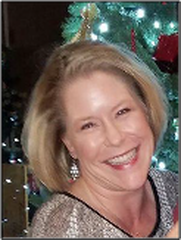
Christy Apodaca hails from Colorado and holds degrees in Athletic Training and Exercise Physiology. She spent ten years as an Exercise Physiologist for the Air Force overseeing the health and wellness programs at various military installations. Christy has also worked as an Athletic Trainer in the world of Sports Medicine in collegiate, high school, and other settings. Her love of music started at an early age with piano and saxophone lessons and has continued to be part of her life through participation in various volunteer and professional musical groups. Christy moved to Florida in 2014 with her husband Robert, where she resumed the musical side of her career as a piano teacher at JN Studios in East Orlando.
Title: Bigger and Better Together—Hosting a Monster Piano Concert!
Presenters: Jonathan Reed, Jane Spencer, Lisa Dutkiewicz, Christy Fung, and Marie Hasse
Date: Friday, Oct. 20, 8:30-9:20 am - Workshop Handout
How do you get 100+ pianists to perform together in a single concert? Come and find out! For over 40 years the Ridge Music Teachers Association has been hosting the Multiple Piano Festival, a monster piano concert for students and teachers. Join us as we discuss repertoire selection, programming, applications, rehearsal scheduling, venue logistics, piano preparation, and many more details for hosting a successful—and wildly popular—monster piano concert! Bring your curiosity and your own ideas for a Q/A section at the end of the workshop. Bigger is better, together!
Presenters: Jonathan Reed, Jane Spencer, Lisa Dutkiewicz, Christy Fung, and Marie Hasse
Date: Friday, Oct. 20, 8:30-9:20 am - Workshop Handout
How do you get 100+ pianists to perform together in a single concert? Come and find out! For over 40 years the Ridge Music Teachers Association has been hosting the Multiple Piano Festival, a monster piano concert for students and teachers. Join us as we discuss repertoire selection, programming, applications, rehearsal scheduling, venue logistics, piano preparation, and many more details for hosting a successful—and wildly popular—monster piano concert! Bring your curiosity and your own ideas for a Q/A section at the end of the workshop. Bigger is better, together!
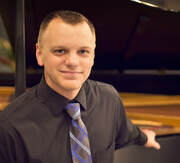
Dr. Jonathan Reed is a professional pianist in both the concert hall and the classroom. An active arranger and performer, Dr. Reed has arranged and recorded six albums of piano music, presented numerous sacred and classical concerts in the Central Florida area, and performed with both choral and instrumental ensembles. Dr. Reed holds music degrees from Butler University, Bob Jones University, and University of Cincinnati College-Conservatory of Music. He is Associate Professor of Music at Warner University, where he teaches piano, music theory, music history, and music appreciation. Dr. Reed is currently President of the Ridge Music Teachers Association and Chairman of the College Council for FSMTA.
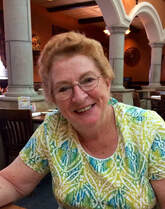
V. Jane Spencer, a member of FSMTA and RMTA since 1989, has a piano studio in Lakeland FL, sings in Bach Festival chorus and church choir. She directs the ten member Lakeland Recorder Consort, a performing group, and plays
viola da gamba. Her degrees are from Indiana University School of Music and Butler University. She has taught public school music as well as coaching high school and college music students.
viola da gamba. Her degrees are from Indiana University School of Music and Butler University. She has taught public school music as well as coaching high school and college music students.
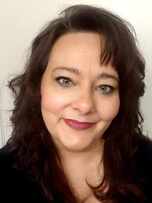
Lisa Dutkiewicz is the founder of Notable Musicians, providing a well-rounded education in piano, voice and guitar to students from around the country both in-person and online. Lisa is also Founder and Director of Lakeland Arts Academy, bringing fine arts specialists together in a collaborative teaching environment. Lisa is currently serving as the Membership Director for Ridge Music Teachers Association. She is a strong proponent of bringing arts together in the community and believes in the value multiple piano festivals offer participants as well as the surrounding community.
After attending Cornerstone University in Michigan, Lisa began teaching piano, served as the vocal coach at her high school alma mater and was the worship director for her church for 15 years. During her 30 year plus teaching career, Lisa has had the privilege of studying with many fabulous pedagogues such as Dennis Alexander, Marvin Blickenstaff, Joyce Grill, Elizabeth Gutierrez, Mark Hayes and Mayron Cole. Fun fact: Lisa has been recognized many times for the innovative and entertaining recitals she does with her students.
After attending Cornerstone University in Michigan, Lisa began teaching piano, served as the vocal coach at her high school alma mater and was the worship director for her church for 15 years. During her 30 year plus teaching career, Lisa has had the privilege of studying with many fabulous pedagogues such as Dennis Alexander, Marvin Blickenstaff, Joyce Grill, Elizabeth Gutierrez, Mark Hayes and Mayron Cole. Fun fact: Lisa has been recognized many times for the innovative and entertaining recitals she does with her students.
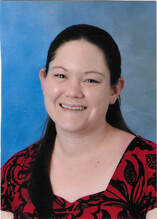
Christy Fung. After studying with Marie Hasse, Christy Fung received a BM in Piano Performance from UCF under Dr. Gary Wolf and then went on to study piano pedagogy at Texas Christian University. She has taught privately as well as at the TCU Preparatory Institute and the Rollins College Community School of Music. Mrs. Fung is currently the head of the piano department at Lakeland Christian School, which has 200 piano students (kindergarten through 12th grade). She has had the privilege of teaching many award-winning students, and she treasures the special relationships you develop teaching students as they grow year to year. Mrs. Fung enjoys playing in her church, accompanying the choirs at LCS, and serving Ridge MTA as treasurer and Student Day chairman. She and her husband have 2 teenage girls and 1 adorable dog who is the baby of the family!
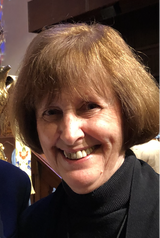
Marie Hasse earned the Bachelor of Arts in Piano Performance degree from the University of Central Florida where she studied with Dr. Gary Wolf. She taught piano, class piano and piano pedagogy at UCF for ten years, piano at the Harrison School for the Performing Arts in Lakeland for four years and was the Head of Keyboard Studies at Polk State College in Winter Haven for nineteen years. She has been and is currently a private, independent teacher of piano.
Ms. Hasse is a Past Chairman of the Board of Directors for the Bach Festival of Central Florida and currently serves on that board. A Past President of the Florida State Music Teachers Association, she adjudicates for FSMTA student events and has been active in student activities for the Florida Federation of Music Clubs. She is a retired church musician.
Ms. Hasse has served on the Board of Directors for the American Matthay Association for Piano and has lectured at their annual festivals. There she participated with Helen Parker Ford in her "From Fists to Fingers" lectures and later edited her book with Dr. Carl Angelo. The materials are designed for teaching Matthay principles of piano playing with emphasis on presentation for the young beginner.
Ms. Hasse is a Past Chairman of the Board of Directors for the Bach Festival of Central Florida and currently serves on that board. A Past President of the Florida State Music Teachers Association, she adjudicates for FSMTA student events and has been active in student activities for the Florida Federation of Music Clubs. She is a retired church musician.
Ms. Hasse has served on the Board of Directors for the American Matthay Association for Piano and has lectured at their annual festivals. There she participated with Helen Parker Ford in her "From Fists to Fingers" lectures and later edited her book with Dr. Carl Angelo. The materials are designed for teaching Matthay principles of piano playing with emphasis on presentation for the young beginner.
Title: Two Heads are Better: Collaborative Piano Repertoire as a Catalyst for Inspired Practice
Presenter: Evan Mitchell
Date: Friday, Oct. 20, 8:30-9:20 am
This workshop will start by identifying fundamental elements of professional musicianship – such as balanced voicing, properly graded dynamics, and consistent articulation – across various style periods of piano repertoire. Several solo pieces will be introduced first, as most teachers will have had experience guiding students through these same difficulties in this specific repertoire. Alongside each solo piece, we will examine a collaborative work by the same composer. This will allow us to clarify why it may be easier to lead students toward artistry via the medium of collaborative piano, by drawing parallels to breathing, bow stroke, and diction. The goal of this workshop is to develop practice and rehearsal strategies that more acutely address each of the salient musical elements under consideration. By doing so, teachers and students will find they have more tools in hand when approaching solo repertoire, too.
Presenter: Evan Mitchell
Date: Friday, Oct. 20, 8:30-9:20 am
This workshop will start by identifying fundamental elements of professional musicianship – such as balanced voicing, properly graded dynamics, and consistent articulation – across various style periods of piano repertoire. Several solo pieces will be introduced first, as most teachers will have had experience guiding students through these same difficulties in this specific repertoire. Alongside each solo piece, we will examine a collaborative work by the same composer. This will allow us to clarify why it may be easier to lead students toward artistry via the medium of collaborative piano, by drawing parallels to breathing, bow stroke, and diction. The goal of this workshop is to develop practice and rehearsal strategies that more acutely address each of the salient musical elements under consideration. By doing so, teachers and students will find they have more tools in hand when approaching solo repertoire, too.
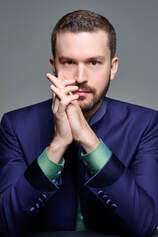
Pianist Evan Mitchell's recent highlights include solo performances on the prestigious Dame Myra Hess Memorial Concerts series (Chicago), at Merkin Concert Hall (NYC), and at several major venues in Shanghai; concerti with the symphony orchestras of Dallas and Fort Worth; and recitals with such major figures as double bassist Gary Karr, flutists Leone Buyse and Jim Walker, and clarinetist Corrado Giuffredi.
A frequent guest clinician, Dr. Mitchell has given recitals and masterclasses at Baylor University, the University of Memphis, Virginia Tech, and others. He currently serves as Assistant Professor of Piano and Accompanying Coordinator at the University of Florida School of Music. He has served on the faculty of Tarrant County College, as President of the Fort Worth Music Teachers Association, and in 2021 was inducted into the Steinway & Sons Teacher Hall of Fame.
A frequent guest clinician, Dr. Mitchell has given recitals and masterclasses at Baylor University, the University of Memphis, Virginia Tech, and others. He currently serves as Assistant Professor of Piano and Accompanying Coordinator at the University of Florida School of Music. He has served on the faculty of Tarrant County College, as President of the Fort Worth Music Teachers Association, and in 2021 was inducted into the Steinway & Sons Teacher Hall of Fame.
Title: A New Way to Handle Performance Anxiety: Tapping Your Way to Playing Ease
Presenter: Mary Ann Ranney
Date: Friday, Oct. 20, 3:30-4:20 pm
As a performance date approaches, we often begin to experience nervousness, worry, unease, stress, even fear. We practice and prepare, yet still anxiety in our mind and body can linger.
Tapping focuses first on the anxiety, honoring the truth of how we feel. As intensity lowers, our body is given permission to relax, open to more ease, feel present, safe, grounded. As pressure is alleviated, we can bring in curious, accepting, inspiring, even playful thoughts. We can begin to imagine how we would approach our performance without anxiety.
In the last few years, research studies have demonstrated how this new modality of Tapping calms the nervous system by directly affecting the amygdala, center of fight-flight-freeze responses in our brain. Tapping allows us to “get out of our own way” so the magic of our musicality can emerge.
Basic Tapping procedures specific to performance anxiety will be experienced by session participants.
Presenter: Mary Ann Ranney
Date: Friday, Oct. 20, 3:30-4:20 pm
As a performance date approaches, we often begin to experience nervousness, worry, unease, stress, even fear. We practice and prepare, yet still anxiety in our mind and body can linger.
Tapping focuses first on the anxiety, honoring the truth of how we feel. As intensity lowers, our body is given permission to relax, open to more ease, feel present, safe, grounded. As pressure is alleviated, we can bring in curious, accepting, inspiring, even playful thoughts. We can begin to imagine how we would approach our performance without anxiety.
In the last few years, research studies have demonstrated how this new modality of Tapping calms the nervous system by directly affecting the amygdala, center of fight-flight-freeze responses in our brain. Tapping allows us to “get out of our own way” so the magic of our musicality can emerge.
Basic Tapping procedures specific to performance anxiety will be experienced by session participants.
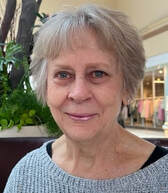
Mary Ann Ranney holds degrees in piano performance from Indiana University and the University of Southern California as well as a DMA in “Piano Pedagogy: Process of Group Environments” from the University of Colorado. She studied for a year in Vienna as a recipient of a Rotary Graduate Fellowship.
Mary Ann’s extensive experience in piano pedagogy includes many years of traditional teaching (college level and home studio), study of the Suzuki method (Books 1-7, Repertoire Extension classes), and training in Taubman technique (eleven summers Amherst and Williams colleges, facilitator of numerous video workshops in Colorado). A longtime member of MTNA, she was voted CSMTA’s Nationally Certified Teacher of the Year in 1996 and her local association’s Teacher of the Year in 2015.
Mary Ann has presented a variety of programs, including “The Trio Musicale: Chamber Music Experience for Beginning and Intermediate Students” at the 2014 Suzuki Association of the Americas International Conference and the 2015 MTNA Las Vegas conference. Her interest in neuro-linguistics and multi-sensory learning led naturally to an investigation of Tapping as a beneficial modality to decrease the stress and anxiety so often experienced by performers at all levels of musical ability.
Mary Ann’s extensive experience in piano pedagogy includes many years of traditional teaching (college level and home studio), study of the Suzuki method (Books 1-7, Repertoire Extension classes), and training in Taubman technique (eleven summers Amherst and Williams colleges, facilitator of numerous video workshops in Colorado). A longtime member of MTNA, she was voted CSMTA’s Nationally Certified Teacher of the Year in 1996 and her local association’s Teacher of the Year in 2015.
Mary Ann has presented a variety of programs, including “The Trio Musicale: Chamber Music Experience for Beginning and Intermediate Students” at the 2014 Suzuki Association of the Americas International Conference and the 2015 MTNA Las Vegas conference. Her interest in neuro-linguistics and multi-sensory learning led naturally to an investigation of Tapping as a beneficial modality to decrease the stress and anxiety so often experienced by performers at all levels of musical ability.
Title: Compose, Create, & Collaborate: How poetry, imagination, and storytelling combine to create a unique musical experience.
Presenter: JohnWillard Utuk
Date: Friday, Oct. 20, 3:30-4:20 pm - Workshop Handout
In this interactive workshop, attendees will explore collaboration ideas that can enhance their professional development and engage students' creativity with an introduction to composing. This presentation features three examples of collaboration with people and art. These joint ventures and influences—working with a colleagues' poetry, fictional characters written by co-author friends, and inspiration from famous illustrations—transformed into a meditative poem, a pedagogical piano suite, and a chamber piece world premiere, each serving as unique experiences for listeners.
After outlining the process behind these creations, we will brainstorm together to develop custom activities tailored to students of different ages to implement in private studios, within group classes, and in local communities. Discussing personal interests of movies, literature, and art provides opportunities for inspired original works by students to proudly share with audiences. Attendees will leave with resources and project ideas related to community partnerships, peer collaborations, and outreach scenarios.
Presenter: JohnWillard Utuk
Date: Friday, Oct. 20, 3:30-4:20 pm - Workshop Handout
In this interactive workshop, attendees will explore collaboration ideas that can enhance their professional development and engage students' creativity with an introduction to composing. This presentation features three examples of collaboration with people and art. These joint ventures and influences—working with a colleagues' poetry, fictional characters written by co-author friends, and inspiration from famous illustrations—transformed into a meditative poem, a pedagogical piano suite, and a chamber piece world premiere, each serving as unique experiences for listeners.
After outlining the process behind these creations, we will brainstorm together to develop custom activities tailored to students of different ages to implement in private studios, within group classes, and in local communities. Discussing personal interests of movies, literature, and art provides opportunities for inspired original works by students to proudly share with audiences. Attendees will leave with resources and project ideas related to community partnerships, peer collaborations, and outreach scenarios.
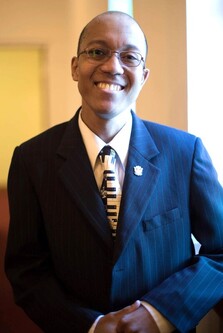
JohnWillard Utuk is a pianist, educator, composer, & performer who values the integration of music, art, emotions, and memories. In teaching, he encourages students to create personal narratives around their pieces so they can personally connect with their repertoire. As a composer, The Etherea Suite, Volume 1 for solo piano was self-published as an intermediate-advanced collection for piano students inspired by Trials of the Innermost, a sci-fi/fantasy novel. In June 2023, his chamber piece, The High Priestess premiered at the Walden Creative Musicians Retreat with members of the International Contemporary Ensemble. Other collaborations include working with Sor Juana Elementary (Chicago, IL) in arranging an orchestration for the school’s debut fight song. He serves as a Youth Services Associate at Highlands Regional Library, coaches band students for solo & ensemble festival, and uploads piano tracks as musical mediations on the Insight Timer application. JohnWillard began piano lessons with the late Ms. Eleanor Morgan of Cape Coral, FL, continuing with the late Artist-in-Residence, Dr. Robert MacDonald at Florida Southern College. JohnWillard earned bachelor’s degrees in music education & performance from Florida Southern College, and a Master of Music in piano performance from the University of North Florida. His personal website is www.jwupiano.com.
Title: Collaboration On the Road
Presenter: Anna Fagan
Date: Sat. Oct. 21, 8:30-9:20 am
Building and nurturing a musical community for myself and for my students has always been very important to me. Now that we are moving every 2-3 weeks, that looks a bit different ... but is still possible! In this session, I'll share some ideas that are working for me, and will also work for those who are not 'on the road'.
Presenter: Anna Fagan
Date: Sat. Oct. 21, 8:30-9:20 am
Building and nurturing a musical community for myself and for my students has always been very important to me. Now that we are moving every 2-3 weeks, that looks a bit different ... but is still possible! In this session, I'll share some ideas that are working for me, and will also work for those who are not 'on the road'.
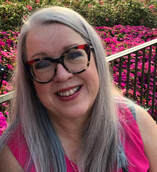
Anna Fagan is an Orlando native and has a degree in Piano Performance from the University of Central Florida. Having enjoyed a career as a teacher, church organist, collaborative performer and solo pianist for over 40 years, she and her husband are now exploring the U.S. in their motorhome. Anna maintains an exclusive online studio, working with over 30 students each week who live in a variety of states. A past President of FSMTA, she now serves as President of the FSMT Foundation.
Title: Collaborative Potential in Piano Duets by Female Composers
Presenters: Christy Sallee and Fen-Fang Chen
Date: Sat. Oct. 21, 8:30-9:20 am - Workshop Handout
In the eighteenth and nineteenth centuries, the domestic piano was one of the few socially sanctioned musical instruments for women, and countless female friendships were formed on shared piano benches as happy hours were spent exploring four-hands music. A handful of these women pianists forged careers as composers, frequently offering intermediate-level duo music to their compatriots via the burgeoning sheet music industry.
Four-hands piano music encourages sociability and “play” at the piano, especially when approached from the traditional practice of spontaneous, collaborative reading for fun rather than rehearsal toward a performance. This presentation explores the potential benefits of this praxis for the modern piano studio through an exploration of student-level piano duo works by women composers.
Presenters: Christy Sallee and Fen-Fang Chen
Date: Sat. Oct. 21, 8:30-9:20 am - Workshop Handout
In the eighteenth and nineteenth centuries, the domestic piano was one of the few socially sanctioned musical instruments for women, and countless female friendships were formed on shared piano benches as happy hours were spent exploring four-hands music. A handful of these women pianists forged careers as composers, frequently offering intermediate-level duo music to their compatriots via the burgeoning sheet music industry.
Four-hands piano music encourages sociability and “play” at the piano, especially when approached from the traditional practice of spontaneous, collaborative reading for fun rather than rehearsal toward a performance. This presentation explores the potential benefits of this praxis for the modern piano studio through an exploration of student-level piano duo works by women composers.
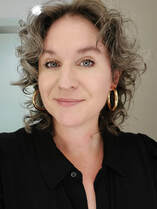
Pianist Christy Sallee resides in Lakeland, Florida, where she is active as an educator, a soloist, and a collaborative pianist. Christy maintains a vibrant private piano studio and teaches Applied Piano at Florida Southern College in Lakeland, FL. As an educator, she strives to instill a genuine love of the piano in her students through the exploration of a wide variety of piano literature beyond the standard repertoire, with a focus on music by women composers and by living composers. She is a doctoral student in Historical Musicology at the University of Florida, where her research interests include French and English pianism and women pianist-composers. Her bachelor's and master's degrees in piano performance are both from the University of South Florida. Her teachers and mentors include Dr. Miroslava Panayotova, Dr. Eunmi Ko, and Rebecca Penneys.
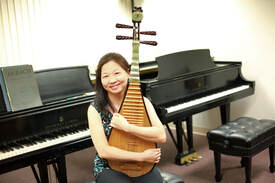
Fen-Fang Chen, associate professor, serves as director of piano and keyboard studies at Florida Southern College, and serves on the Board of Regents of National Music Honor Society, Pi Kappa Lamba. Dr. Chen completed two doctoral degrees at the University of Mississippi, a Doctor of Arts in Piano Pedagogy and a Doctor of Philosophy in Music Education. She also taught at various colleges, including the University of Mississippi, Birmingham-Southern College, Miles College, and Indiana State University.
As an active performer, Dr. Chen frequently performs both instruments, the piano and the pipa (a traditional Chinese lute instrument). With strong interests in efficient and effective ways of teaching and learning, Dr. Chen has presented her research studies at national, state, and regional conferences. She received the Outstanding Professional Research Poster Award from the Frances Clark Center for Keyboard Pedagogy at the 2019 National Conference on Keyboard Pedagogy.
As an active performer, Dr. Chen frequently performs both instruments, the piano and the pipa (a traditional Chinese lute instrument). With strong interests in efficient and effective ways of teaching and learning, Dr. Chen has presented her research studies at national, state, and regional conferences. She received the Outstanding Professional Research Poster Award from the Frances Clark Center for Keyboard Pedagogy at the 2019 National Conference on Keyboard Pedagogy.
Title: Exploring the Parent-Teacher Collaboration
Presenter: Alexandar Taggart and Judith Jain
Date: Sat. Oct. 21, 9:30-10:20 am
In private lesson teaching, instructors typically spend 30-60 minutes one on one with their young students. But then, we are surprised many times when parents want to cancel lessons and cut short what could have been a longer, more fruitful relationship with that student. Teachers with high retention rates have intentional, professional relationships with their students’ parents. In this presentation we will explore the nature of that relationship and how we can involve, and equip, the parent in a positive way in our teaching equation.
Presenter: Alexandar Taggart and Judith Jain
Date: Sat. Oct. 21, 9:30-10:20 am
In private lesson teaching, instructors typically spend 30-60 minutes one on one with their young students. But then, we are surprised many times when parents want to cancel lessons and cut short what could have been a longer, more fruitful relationship with that student. Teachers with high retention rates have intentional, professional relationships with their students’ parents. In this presentation we will explore the nature of that relationship and how we can involve, and equip, the parent in a positive way in our teaching equation.
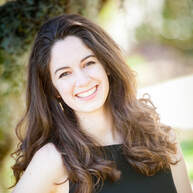
Ms. Alexandra Taggart is Associate Faculty at New Tampa Piano and Pedagogy Academy where she teaches private and group piano classes and coordinates the community outreach program. Her students have been gold medalists for the Southeast regional RCM examinations.
Ms. Taggart is an active performer and has been featured as a presenter in multiple regional and national conferences. She serves as the Florida State RCM Chair for Music Teachers National Association, and in the past, as president of the Ohio University’s Collegiate Chapter.
Ms. Taggart holds a Master of Music degree in Piano Performance and Pedagogy from Ohio University where she studied with Dr. Christopher Fisher and undergraduate degrees in music and international affairs from Florida State University where she studied piano with Dr. Heidi Louise Williams.
Ms. Taggart is an active performer and has been featured as a presenter in multiple regional and national conferences. She serves as the Florida State RCM Chair for Music Teachers National Association, and in the past, as president of the Ohio University’s Collegiate Chapter.
Ms. Taggart holds a Master of Music degree in Piano Performance and Pedagogy from Ohio University where she studied with Dr. Christopher Fisher and undergraduate degrees in music and international affairs from Florida State University where she studied piano with Dr. Heidi Louise Williams.
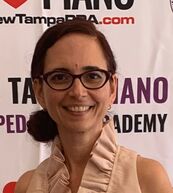
Dr. Judith Jain is Founder and Executive Director of New Tampa Piano and Pedagogy Academy, hailed as the largest pre-college piano academy in the country. Her performance career includes solo, chamber music, and orchestral performances in the U.S., Mexico, Cuba, and the commonwealth of Puerto Rico. Her Carnegie Hall debut took place in October of 2010.
Dr. Jain has appeared as lecturer, clinician, and consultant in the U.S. and abroad specializing in effective teaching and healthy business practices. Previous teaching positions include the New School for Music Study, the University of Cincinnati-College Conservatory of Music, and Indiana University. Her articles have been featured in Clavier Companion and American Music Teacher magazines.
Dr. Jain holds a Bachelor's Degree in Piano Performance from Indiana University, a Master’s Degree in Piano Performance from the University of Cincinnati-College Conservatory of Music (UC-CCM) and a Doctorate Degree in Piano Performance and Pedagogy at UC-CCM, followed by a post-graduate Fellowship from the New School for Music Study, specializing in the teaching philosophy of Frances Clark.
Dr. Jain has appeared as lecturer, clinician, and consultant in the U.S. and abroad specializing in effective teaching and healthy business practices. Previous teaching positions include the New School for Music Study, the University of Cincinnati-College Conservatory of Music, and Indiana University. Her articles have been featured in Clavier Companion and American Music Teacher magazines.
Dr. Jain holds a Bachelor's Degree in Piano Performance from Indiana University, a Master’s Degree in Piano Performance from the University of Cincinnati-College Conservatory of Music (UC-CCM) and a Doctorate Degree in Piano Performance and Pedagogy at UC-CCM, followed by a post-graduate Fellowship from the New School for Music Study, specializing in the teaching philosophy of Frances Clark.
Title: In Sync—Fostering Community and collaboration in the Private Music Studio
Presenter: Melody Morrison
Date: Sat. Oct. 21, 9:30-10:20 am - Workshop Handout
Private music lessons can easily become an isolating activity for both student and teacher. However, the music studio does not have to be a lonely experience!
In this session, I will give examples of collaborative activities for both teachers and students that I have incorporated into my piano studio and classes. In this interactive session, I will demonstrate activities appropriate for all ages and will cover joint composition projects, studio party games, accompanying, and improvisation jam sessions. Ideas for instructors will cover collaborations with different types of music and art studios and composers. Session attendees will leave with a plethora of practical tools and fresh ideas to use in their studios and beyond.
During the pandemic, musicians around the globe united to become one voice and the importance of artist partnership was recognized. In 2023, the significance of collaboration remains, and a new chapter of teamwork and friendship can commence.
Presenter: Melody Morrison
Date: Sat. Oct. 21, 9:30-10:20 am - Workshop Handout
Private music lessons can easily become an isolating activity for both student and teacher. However, the music studio does not have to be a lonely experience!
In this session, I will give examples of collaborative activities for both teachers and students that I have incorporated into my piano studio and classes. In this interactive session, I will demonstrate activities appropriate for all ages and will cover joint composition projects, studio party games, accompanying, and improvisation jam sessions. Ideas for instructors will cover collaborations with different types of music and art studios and composers. Session attendees will leave with a plethora of practical tools and fresh ideas to use in their studios and beyond.
During the pandemic, musicians around the globe united to become one voice and the importance of artist partnership was recognized. In 2023, the significance of collaboration remains, and a new chapter of teamwork and friendship can commence.
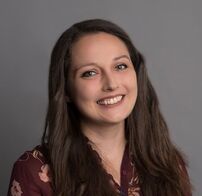
Melody Morrison, NCTM is a doctoral candidate in the Piano Pedagogy program at Florida State University and studies with Dr. Diana Dumlavwalla. She maintains a private studio with students from Oregon and Florida and teaches undergraduate class piano at FSU as a Graduate Teaching Assistant. Melody also serves as President of MTNA @ FSU, the collegiate chapter of the Music Teachers National Association at Florida State University.
Prior to attending Florida State University, Melody taught private piano lessons and music courses at Corban University and Northwest School of Music in Salem, Oregon. Miss Morrison has enjoyed serving in various roles within MTNA as well attending and presenting at local, state, and national conferences. Melody received an M.M. in Piano Performance and Pedagogy from the University of Idaho after earning a bachelor’s degree in Piano Performance from Corban University.
Prior to attending Florida State University, Melody taught private piano lessons and music courses at Corban University and Northwest School of Music in Salem, Oregon. Miss Morrison has enjoyed serving in various roles within MTNA as well attending and presenting at local, state, and national conferences. Melody received an M.M. in Piano Performance and Pedagogy from the University of Idaho after earning a bachelor’s degree in Piano Performance from Corban University.
Title: Chopin and Bel Canto: exploring “beautiful singing” in Chopin’s works
Presenters: Agnieszka Zick and Magdalena Wór
Date: Sat. Oct. 21, 2:20-3:10 pm
At the beginning of 1834 Chopin frequently visited Music Salons of Lina Freppa, Italian singer, where together with friend Vincenzo Bellini enjoyed singing, playing, talking, and even dancing. Chopin was familiar with a variety of opera genres and styles and he was mostly drawn to Italian opera, and to Bel Canto - “beautiful singing or song.”
Bel Canto pertains to a singing style of the 18th and early 19th century, featuring emphasis on pure, even tone throughout the vocal registers, temporary rhythmic flexibility known as “tempo rubato”, and heavily ornamented cadenzas that show off virtuosic technical and musical abilities.
Chopin masterfully transplants the ‘beautiful singing’ into his pianistic technique, style, and his teaching. He told Vera Rubio that if she wishes to play, she should also sing (Eigeldinger).
In this presentation examples from vocal and piano repertoire will be presented and accompanied by a discussion on bel canto stylistic features.
Presenters: Agnieszka Zick and Magdalena Wór
Date: Sat. Oct. 21, 2:20-3:10 pm
At the beginning of 1834 Chopin frequently visited Music Salons of Lina Freppa, Italian singer, where together with friend Vincenzo Bellini enjoyed singing, playing, talking, and even dancing. Chopin was familiar with a variety of opera genres and styles and he was mostly drawn to Italian opera, and to Bel Canto - “beautiful singing or song.”
Bel Canto pertains to a singing style of the 18th and early 19th century, featuring emphasis on pure, even tone throughout the vocal registers, temporary rhythmic flexibility known as “tempo rubato”, and heavily ornamented cadenzas that show off virtuosic technical and musical abilities.
Chopin masterfully transplants the ‘beautiful singing’ into his pianistic technique, style, and his teaching. He told Vera Rubio that if she wishes to play, she should also sing (Eigeldinger).
In this presentation examples from vocal and piano repertoire will be presented and accompanied by a discussion on bel canto stylistic features.
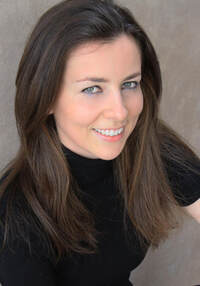
Agnieszka Zick is a Polish-born pianist and pedagogue. She maintains a keen interest in standard repertoire, promotes contemporary music, and advocates for inclusive music repertoire for students and audiences. Zick’s playing in the recent CD release “Orchard - A collection of 50 short piano pieces” by Tyler Kline (Neuma Records, January 2022), was described as “incredibly sensitive, for example, and she paints beauty in sound” (Fanfare Magazine).
Dr. Zick received her Bachelor's degree in Piano Performance from the Fryderyk Chopin Academy of Music in Warsaw, Poland, double Master’s degree in Piano Performance and Chamber Music from the University of South Florida, and a Doctorate in Piano Performance and Pedagogy from the University of Michigan. Dr. Zick serves as an adjudicator, and presents her pedagogical research in prominent conferences including: MTNA National Conference, MMTA State Conference, European Piano Teacher Association in Portugal, and The Puerto Rico Collaborative Piano Festival. Her upcoming engagements include presentations at the CMS International Conference in Lithuania, Latvia, and Estonia, NCKP Piano Conference online, and in Chicago, and CMS National Conference in Miami.
Currently an independent musician and scholar, Zick formerly taught at Eckerd College, Schoolcraft College, University of South Florida, and University of Michigan.
Dr. Zick received her Bachelor's degree in Piano Performance from the Fryderyk Chopin Academy of Music in Warsaw, Poland, double Master’s degree in Piano Performance and Chamber Music from the University of South Florida, and a Doctorate in Piano Performance and Pedagogy from the University of Michigan. Dr. Zick serves as an adjudicator, and presents her pedagogical research in prominent conferences including: MTNA National Conference, MMTA State Conference, European Piano Teacher Association in Portugal, and The Puerto Rico Collaborative Piano Festival. Her upcoming engagements include presentations at the CMS International Conference in Lithuania, Latvia, and Estonia, NCKP Piano Conference online, and in Chicago, and CMS National Conference in Miami.
Currently an independent musician and scholar, Zick formerly taught at Eckerd College, Schoolcraft College, University of South Florida, and University of Michigan.
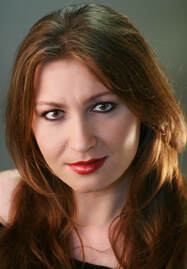
Magdalena Wór is a Metropolitan Opera National Council Auditions National Finalist, winner of the Marcella Sembrich Kochańska and Heinz Rehfuss Competitions, Finalist of the international Marcello Giordani and Moniuszko Competitions, and an alumna of the San Francisco Opera’s Merola Summer Opera Program and the Domingo-Cafritz Young Artist Program at the Washington National Opera.
Dr. Wór is a Visiting Assistant Professor at the University of Wyoming, where she teaches applied lessons and vocal-performance related courses. As a performing musician, Dr. Wór has sung with the National Symphony Orchestra, the Washington National Opera, Atlanta Symphony Orchestra, Atlanta Opera, the National Philharmonic, Palm Beach Opera, Baltic Opera, Virginia Opera, Washington Concert Opera, Birmingham Opera, Seattle Symphony Orchestra, Alabama Symphony Orchestra, and Richmond Symphony Orchestra, among others.
Dr. Wór is a Visiting Assistant Professor at the University of Wyoming, where she teaches applied lessons and vocal-performance related courses. As a performing musician, Dr. Wór has sung with the National Symphony Orchestra, the Washington National Opera, Atlanta Symphony Orchestra, Atlanta Opera, the National Philharmonic, Palm Beach Opera, Baltic Opera, Virginia Opera, Washington Concert Opera, Birmingham Opera, Seattle Symphony Orchestra, Alabama Symphony Orchestra, and Richmond Symphony Orchestra, among others.
Title: Clara Schumann—Romantic Trailblazer
Presenters: Sarah Silvia and Eleanor Gummer
Date: Sat. Oct. 21, 2:20-3:10 pm - Handout
Step into Clara Schumann’s parlor - Sarah Silvia will represent Clara Schumann in Victorian dress and Eleanor Gummer will interview Clara. Topics range from Frau Schumann's strict childhood, education, marriage to Robert, to her widowhood and concerts. The discussion will feature Clara's feminist experiences and inspiration from role models like Fanny Mendelssohn and Pauline Viardot. Clara’s shifting opinions of Franz Liszt and the War of the Romantics will be discussed as well as the challenges Clara faced as she managed Robert’s legacy.
As Madame Schumann led her family through hard times raising her seven surviving children, she accomplished a multi-faceted career of performing, editing, and teaching. During her tenure at the Hoch Konservatorium-Musikakedemie in Frankfurt, she deeply inspired many women composers. Her teaching technique had far-reaching influence on many students including Carl Friedberg who went on to teach at Juilliard. Clara Schumann was a true Romantic Trailblazer.
Presenters: Sarah Silvia and Eleanor Gummer
Date: Sat. Oct. 21, 2:20-3:10 pm - Handout
Step into Clara Schumann’s parlor - Sarah Silvia will represent Clara Schumann in Victorian dress and Eleanor Gummer will interview Clara. Topics range from Frau Schumann's strict childhood, education, marriage to Robert, to her widowhood and concerts. The discussion will feature Clara's feminist experiences and inspiration from role models like Fanny Mendelssohn and Pauline Viardot. Clara’s shifting opinions of Franz Liszt and the War of the Romantics will be discussed as well as the challenges Clara faced as she managed Robert’s legacy.
As Madame Schumann led her family through hard times raising her seven surviving children, she accomplished a multi-faceted career of performing, editing, and teaching. During her tenure at the Hoch Konservatorium-Musikakedemie in Frankfurt, she deeply inspired many women composers. Her teaching technique had far-reaching influence on many students including Carl Friedberg who went on to teach at Juilliard. Clara Schumann was a true Romantic Trailblazer.
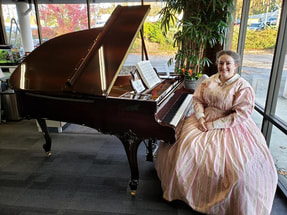
Sarah Silvia focuses on communication, connection, and relationship in her studio. She’s taught students ages 3 to 72, often with an assortment of exceptionalities. Her studio includes English language learners as well as others who experience focus & energy issues ranging from ADHD, to challenges with executive function, or developmental delays. Many of her students benefit from extra support in their musical studies with more explicit directions in practice assignments. Silvia believes in her students, and she sees them as whole and complete.
Silvia holds a Master of Music degree from University of Washington and has taught at the Bainbridge Island Music Guild and John Stanford International School. Her article on beginning to teach online was published in The Clarion in April 2020, and she has presented sessions in Washington State at local meetings and State Conferences, as well as at the MTNA National Conference in Reno.
She looks for the divine spark in each person she teaches and sets them up to surpass expectations.
Silvia holds a Master of Music degree from University of Washington and has taught at the Bainbridge Island Music Guild and John Stanford International School. Her article on beginning to teach online was published in The Clarion in April 2020, and she has presented sessions in Washington State at local meetings and State Conferences, as well as at the MTNA National Conference in Reno.
She looks for the divine spark in each person she teaches and sets them up to surpass expectations.
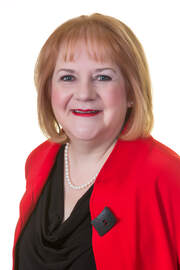
Eleanor Gummer has been teaching for over 40 years with a large studio of students of all ages. Eleanor enjoys the creative aspect of teaching – understanding each student’s approach to learning and the exploration of new repertoire.
Eleanor holds a Master of Music degree in Piano Performance from McGill University, a Bachelor of Music degree (U of Manitoba), Fellowship and Licentiate diplomas from Trinity College of Music, London and an Associate diploma from the Royal Conservatory. Ms Gummer studied in Europe and New York and has performed across Canada. She is an examiner for Conservatory Canada, a former Senior Examiner for the Royal Conservatory of Music and a former National Course Supervisor for Yamaha Canada. Eleanor is the author of Pianokids® Violinkids® and Guitarkids®, methods for young children, published by One Eye Publications. Ms. Gummer is the founder and director of Whitby School of Music is active as an adjudicator, clinician and composer.
Currently Ms. Gummer is involved in the research of underrepresented women composers from the last 300 years and is publishing their works to bring attention to these deserving women. Eleanor is working closely with Conservatory Canada as they integrate these works into their syllabus.
Eleanor holds a Master of Music degree in Piano Performance from McGill University, a Bachelor of Music degree (U of Manitoba), Fellowship and Licentiate diplomas from Trinity College of Music, London and an Associate diploma from the Royal Conservatory. Ms Gummer studied in Europe and New York and has performed across Canada. She is an examiner for Conservatory Canada, a former Senior Examiner for the Royal Conservatory of Music and a former National Course Supervisor for Yamaha Canada. Eleanor is the author of Pianokids® Violinkids® and Guitarkids®, methods for young children, published by One Eye Publications. Ms. Gummer is the founder and director of Whitby School of Music is active as an adjudicator, clinician and composer.
Currently Ms. Gummer is involved in the research of underrepresented women composers from the last 300 years and is publishing their works to bring attention to these deserving women. Eleanor is working closely with Conservatory Canada as they integrate these works into their syllabus.